Rockabye baby: how do you get your baby to sleep?

The Rockabye Baby* project, a joint New Zealand-US study, aims to find out more about parents' roles and views on getting babies to sleep, what methods they use, what advice they take and why. Here, we reveal the preliminary findings of this international survey. So far, more than 500 parents, grandparents and familly members from a variety of backgrounds have done the survey, but they need more! Click here to be involved in the survey.
*The Rockabye Baby project team is lead by Wendy Middlemiss PhD, of the University of North Texas, and Carrie Cornsweet Barber, of the University of Waikato.

Where did you plan to have baby sleep, where would you prefer baby to sleep, and where does baby actually sleep?
About half planned (50%) and preferred (54%) to have the baby in their own separate room, and just a bit less (43%) were actually doing that. The next most common plan was to have the baby in a cot in the parents’ room - 32% planned this, 26% preferred it, and 18% were doing it. Not many people planned (8%) or preferred (10%) to co-sleep, but quite a few more (27%) were actually doing it when asked.
Click here to be involved in the survey
How much of a problem is it to put baby to sleep?
Most people didn’t have a problem - 30% had minimal or no problem, and the average 'difficulty' rating was about 24 on a 0-100 scale. However, about 20% rated it higher than 50, and about 5% rated it higher than 80. That means one in five parents are struggling with infant sleep, and some are having a really hard time. Click here to be involved in the survey
Do you use controlled comforting*?
49% had tried this at least once, 30% had considered it but didn’t try it, and 21% said they would never consider it. As with sleep training, there were lots of different experiences and opinions about this - some really liked it, but some said it upset their baby more, or just didn’t work for them. Click here to be involved in the survey
* where you put baby down to sleep and provide comfort by patting or soothing words instead of picking baby up, moving to less and less attention and more time between attending.
Do you use controlled crying*?
37% had tried this at least once, 21% had considered it but didn’t try it, and 43% said they would never consider it. There were a wide variety of experiences and comments about what it was like to do this - for some, it worked great; for others, it was really difficult and they didn’t feel comfortable using it. Click here to be involved in the survey
* where you put baby down to sleep while awake and let them settle to sleep without attending to fussing or crying unless the baby is in physical danger.

Do you feed or hold baby until they fall asleep? (and then put them down in a crib or bassinette)
Most people (93%)had tried this at least once, 3% had considered it but didn’t try it, and 4% said they would never consider it. Parents often said they used this when the baby was young, or part of the time; some are happy with using it all the time, but others felt it would keep baby from learning to self-soothe. Click here to be involved in the survey
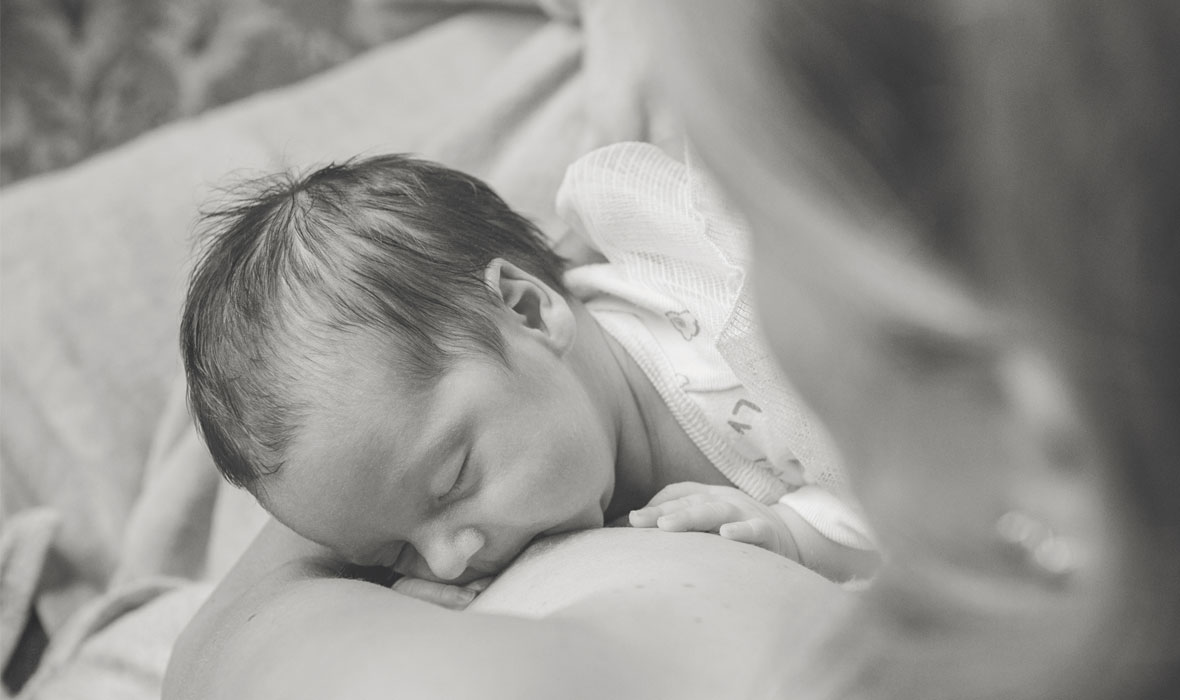
Do you lie down or co-sleep with baby? (until they fall asleep)
75% had tried this at least once, 12% had considered it but didn’t try it, and 14% said they would never consider it. Sometimes people use this occasionally, like when they are away from home, or the baby is sick; others described how they set up a safe co-sleeping space and felt it worked well for them on a regular basis. Some people expressed worries about the safety of co-sleeping, others did not. Click here to be involved in the survey
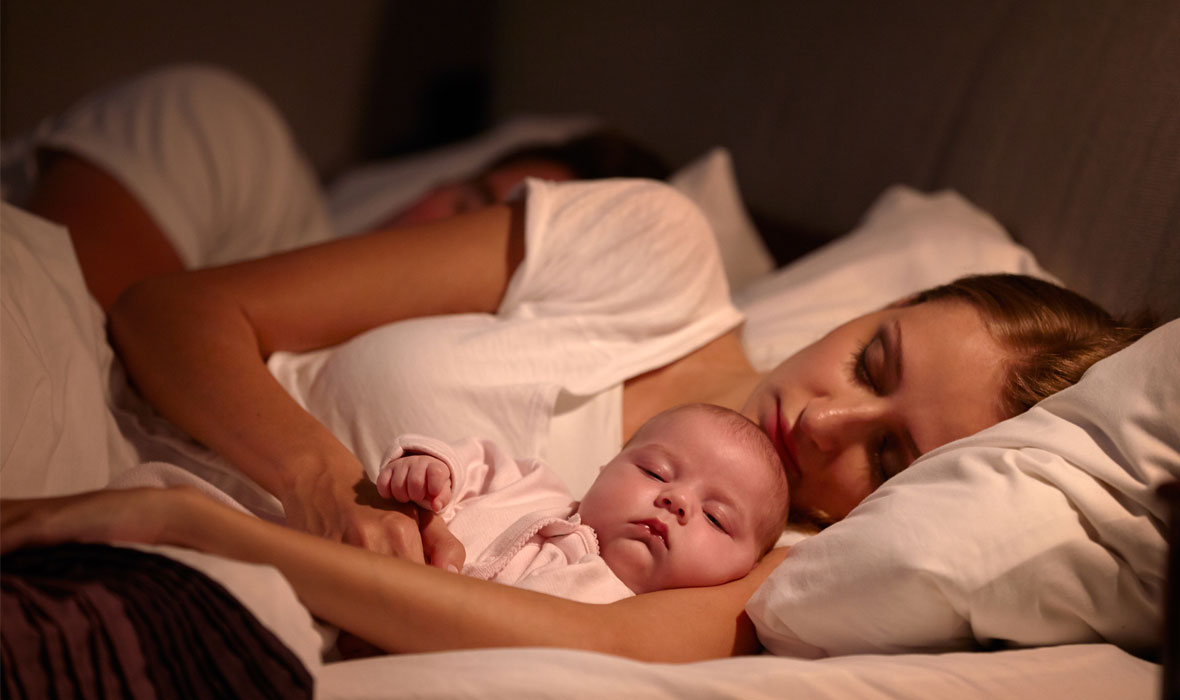
So, almost everyone has tried feeding and holding the baby to sleep, and most found it worked well and they were comfortable with it…but there is clearly more to the story, because only 42% use it as their main method of putting the baby to sleep. That leads to the question of how they decide - why they choose what they choose. Click here to be involved in the survey
The survey asked parents to rate (again on a 0-100 scale) how much different factors influenced their parenting decisions. The highest average influences (50) were experiences from their own childhood, followed by advice from friends, professionals, family, and books, magazines, and online sources. Parents rated cultural traditions a bit lower as influences, and religious teaching and TV and radio were seen as having the least influence - but clearly not none, as they were given average ratings of 29 and 28. Click here to be involved in the survey

Calling all whanau, all parents, all grandparents!
The Rockabye Baby project really wants to hear your thoughts on baby sleep. How do you get the baby in your life to sleep? What do you think of the methods others use? What advice would you give to parents? Click here to be involved in the survey.